
A 7-Day Kenyan Meal Plan Without Ugali
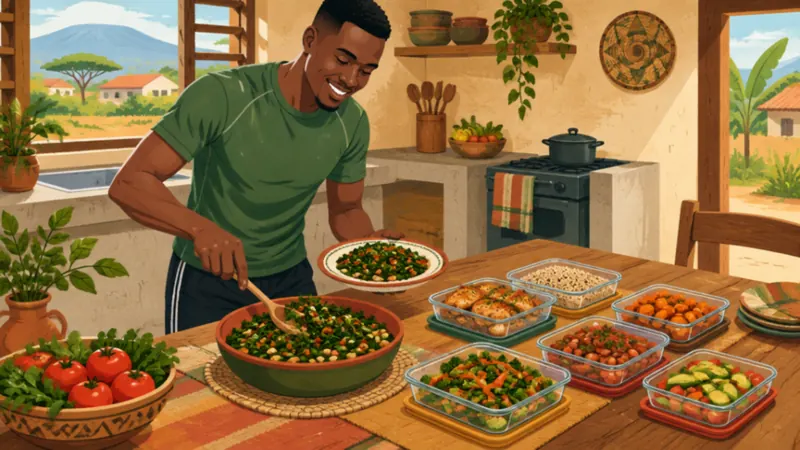
A 7-Day Kenyan Meal Plan Without Ugali
A Kenyan meal plan without ugali simply replaces the maize-flour base with vegetables, protein and a small portion of traditional starches. It is not a ban on ugali. It is a week of meals that do not revolve around it — which, for many people managing blood sugar or weight, is the change that matters most.
That distinction is important. If you eat ugali twice a day, every day, the plate is built around carbohydrate and everything else is a garnish. This plan rebuilds the plate so that vegetables and protein come first and starch plays a supporting role. That is the principle behind every Kenyan meal plan in this article.
Every meal below uses ingredients you can buy at any Kenyan market or supermarket. Nothing exotic. Nothing expensive. This is designed for someone with a job and a normal Tuesday.
Key points
- The plan does not remove ugali permanently. It builds a week where the plate leads with vegetables and protein instead of starch.
- Each day has two or three meals, all built on sukuma wiki, cabbage, terere, managu, spinach, meat, fish, eggs or beans.
- Traditional starches — nduma, sweet potato, green banana, pumpkin — appear as small portions alongside, not as the base.
- The shopping list at the end costs less than a typical week of convenience eating in Nairobi.
- If you have a diagnosed condition or take medication, take this plan to your clinician before starting it.
How this plan is built
Three rules, applied to every meal.
- Vegetables fill half the plate. Sukuma wiki, cabbage, terere (amaranth), managu, spinach, kunde, pumpkin leaves, carrots, green beans, French beans.
- Protein occupies a quarter. Beef, goat, chicken, fish, eggs, beans, ndengu (green grams), or fermented milk.
- Starch occupies a quarter, at most, and appears at one or two meals — not three. Nduma, sweet potato, green banana, pumpkin, butternut, or a small portion of ugali if you want it.
The difference from a standard Kenyan plate is not the ingredients. It is the proportions, and the fact that vegetables are cooked with enough care to be worth eating rather than treated as a garnish. Those proportions are what make this Kenyan meal plan different.
For the reasoning behind the proportions, see Building a Kenyan Plate Around Vegetables.
What to drink
Across the whole week, drinks are unsweetened. This is not a minor detail — sweetened tea and soda are where a lot of hidden sugar enters a Kenyan day.
- Water — the default, throughout the day
- Sukuma-less black tea with no sugar and no milk — plain black tea
- Black coffee, unsweetened
- Green tea, unsweetened
- Hibiscus (chai ya roselle) — unsweetened
- Chamomile or other herbal teas, unsweetened
- Water with a small pinch of salt if you are sweating heavily or exercising
No soda. No sweetened juice. No sugar in tea. If you currently take two spoons of sugar in four cups of tea a day, cutting that alone is one of the largest single changes in this plan.
The 7-day plan
Monday
Breakfast (around 10 a.m.) Two boiled eggs, a handful of sukuma wiki lightly fried with onion and tomato, black tea.
Lunch (around 1 p.m.) Beef stew with cabbage and carrots. Small portion of nduma (one or two pieces).
Dinner (around 7 p.m.) Grilled tilapia with terere and a small serving of pumpkin.
After dinner: 15-minute walk.
Tuesday
Breakfast Plain yoghurt (unsweetened) with a few groundnuts, black coffee.
Lunch Ndengu (green grams) stew with spinach and a small piece of sweet potato.
Dinner Chicken stew with managu and green beans. No starch.
After dinner: 15-minute walk.
Wednesday
Breakfast Three-egg omelette with onion, tomato and spinach. Black tea.
Lunch Leftover chicken with a large cabbage and carrot salad, dressed with a little oil and lemon.
Dinner Beef with sukuma wiki and a small portion of green banana.
After dinner: 15-minute walk.
Thursday
Breakfast Boiled eggs with avocado slices. Green tea.
Lunch Fish (fried or grilled) with kunde and a small serving of butternut.
Dinner Bean stew with terere and a small portion of nduma.
After dinner: 15-minute walk.
Friday
Breakfast Plain yoghurt with a handful of pumpkin seeds. Black coffee.
Lunch Goat stew with cabbage. No starch.
Dinner Omelette with leftover vegetables, plus a green salad.
After dinner: 15-minute walk.
Saturday
Breakfast Two eggs, fried tomato and onion, black tea.
Lunch Grilled chicken with a big mixed vegetable plate — sukuma, carrots, green beans, cabbage.
Dinner Fish with managu and a small portion of sweet potato.
Evening: Longer walk — 30 to 45 minutes with family.
Sunday
Breakfast Boiled eggs with avocado. Black tea.
Lunch (the main meal) Roast meat with a large mixed vegetable platter. A small portion of ugali if you want it — this is a plan, not a prohibition.
Dinner Light: leftover vegetables with a boiled egg or a small bowl of ndengu.
Evening: Walk after the main meal.
What about ugali?
Ugali is not poison. It is maize flour and water, and it is one of the most affordable sources of energy in Kenya. The issue is not ugali itself — it is a plate where ugali occupies most of the space twice a day, every day, with vegetables as a small side.
If you want to keep ugali, keep it. Three adjustments make it work better:
- Smaller portion. Half of what you currently take.
- Eat it last in the meal. Vegetables and protein first, then the ugali. This changes how quickly glucose arrives.
- Once a day, not twice. Usually the evening meal.
Same applies to rice and chapati. This plan simply moves them from the centre of the plate to the edge.
The shopping list
Built for two adults for one week. Prices vary by market and season.
| Category | Item | Approximate quantity | |---|---|---| | Vegetables | Sukuma wiki | 4 bunches | | Vegetables | Cabbage | 2 heads | | Vegetables | Terere (amaranth) | 1 bunch | | Vegetables | Managu | 1 bunch | | Vegetables | Spinach | 2 bunches | | Vegetables | Carrots | 1 kg | | Vegetables | Green beans / French beans | 500 g | | Vegetables | Tomatoes | 1 kg | | Vegetables | Onions | 1 kg | | Starch | Nduma | 1 kg | | Starch | Sweet potatoes | 1 kg | | Starch | Green bananas | 6 | | Starch | Pumpkin or butternut | 1 medium | | Protein | Eggs | 2 trays | | Protein | Beef or goat | 1.5 kg | | Protein | Chicken | 1 whole, or 1 kg pieces | | Protein | Fish (tilapia) | 3 fish | | Protein | Ndengu (green grams) | 500 g | | Protein | Beans (dry) | 500 g | | Dairy | Plain unsweetened yoghurt | 1 litre | | Extras | Cooking oil | As needed | | Extras | Avocado | 4 | | Extras | Groundnuts or pumpkin seeds | 250 g | | Drinks | Black tea, green tea, hibiscus, coffee | As needed |
Buy vegetables twice a week rather than once. Fresh greens lose quality fast, and wilted sukuma is the reason people say they do not like vegetables.
Making this realistic for a working week
The single biggest obstacle is time, not money. Here are the shortcuts that work.
- Cook once, eat twice. Monday's beef stew becomes Wednesday's lunch. Double every stew.
- Prep greens in bulk. Wash and chop sukuma, terere and managu on Sunday. Store in the fridge. Cooking time drops to five minutes.
- Boil eggs in batches. Six at a time. They keep several days and solve breakfast.
- Keep frozen vegetables for the days the fresh ones run out. Better than skipping vegetables.
- Buy meat in bulk and freeze in meal portions. Cheaper per kilo and removes the daily decision.
- Use a pressure cooker if you have one for beans and ndengu. What takes two hours takes forty minutes.
Where this fits. If mornings are the hardest part of the week, some people keep a fibre-rich drink such as Instant Fiberich N-Meal on hand as a quick option before a meal. It is a supplement, not a meal replacement for the plan above — the vegetables and protein do the real work.
How to shop this list well
A few habits that reduce both cost and waste.
- Buy vegetables twice a week. Freshness matters more than a single big shop.
- Buy meat in bulk and freeze in meal portions. Lower cost per kilo, and no daily decision.
- Buy dry beans and ndengu in bulk, then soak overnight before cooking. Far cheaper than tinned.
- Buy eggs by the tray. They are the cheapest animal protein and they solve breakfast.
- Buy chicken whole rather than as pieces, and portion it yourself. It is usually cheaper per meal.
- Keep a stocked base of onion, tomato and cooking oil. Almost every dish in this plan starts there.
- Buy fish the day you plan to cook it, or freeze it immediately. Freshness matters more for fish than for meat.
- Do not over-buy greens. Wilted sukuma is what turns people off vegetables.
One more thing worth saying. This is a plan for someone managing blood sugar, but the meals are simply food. If a household eats this way together, there is no need to cook separately — and no need for anyone to feel they are on a diet.
Common problems and what to do
"I get hungry at 4 p.m." Add protein to lunch. Hunger in the afternoon usually traces back to a lunch that was mostly starch.
"I cannot afford meat every day." Eggs, ndengu, beans and fish are all cheaper per gram of protein than beef. The plan above already uses them on alternating days.
"My family will not eat vegetables." Cook them properly: onion, tomato, a little oil, salt, and not overcooked. Bland, watery sukuma is a cooking problem, not a vegetable problem.
"I travel for work." Carry boiled eggs. Order grilled meat and a salad at hotels. Ask for vegetables instead of the chips.
"I take medication." Take this plan to your clinician before you change anything. If you take insulin or a sulfonylurea, changing meal patterns changes your glucose, and your doses may need review. That is a decision for your clinician.
Frequently asked questions: Kenyan meal plan
Do I have to give up ugali permanently?
No. This is a seven-day structure that shifts your plate away from starch as the base. You can keep ugali — just smaller and once a day. The plan exists to show that a full week of satisfying Kenyan meals is possible without it being the centre.
Is this plan suitable for someone with diabetes?
It is built for people who want to reduce the starch load of a typical Kenyan diet, which is relevant to blood sugar management. But it is general information, not a prescription. Take it to your clinician or dietitian before starting, especially if you take insulin or a sulfonylurea.
How much weight will I lose?
Weight is not the point of this plan and no honest answer can promise a number. The plan changes the composition of your meals. Weight responds to total energy intake over time, along with sleep and activity. A Kenyan meal plan is about composition, not a promised number.
Can I swap meals between days?
Yes. The days are interchangeable. The structure — vegetables first, protein second, starch small and infrequent — is what matters, not which meal lands on which day.
What if I cannot find nduma or green banana?
Substitute sweet potato, pumpkin, butternut, or simply leave the starch out. The plan works without any of them. They are included because they are the traditional starches that fit better than a large portion of ugali.
Is this expensive?
It is usually cheaper than a week of mixed eating in Nairobi, because beans, ndengu and eggs replace several meat meals and vegetables are bought by the bunch rather than by the packet. Buying in bulk reduces it further.
The bottom line
A Kenyan meal plan without ugali is not a diet of deprivation. It is a week of real food — sukuma, terere, managu, fish, eggs, ndengu, nduma — with the plate rearranged so that vegetables and protein carry the meal.
Start with tomorrow's lunch. Halve the starch, double the greens, and walk for 15 minutes afterwards. That single step is the whole Kenyan meal plan in miniature.
Also read
- Building a Kenyan Plate Around Vegetables
- Nduma, Sweet Potato and Green Banana: The Kenyan Complex Carbs
- Animal Protein as the Anchor of a Low-Carb Kenyan Plate
This article is general information, not medical advice. It is not a substitute for diagnosis or treatment by a qualified health professional. If you have a diagnosed condition or take prescription medication, speak to your clinician before changing your diet, fasting routine or medication.
Found this helpful? Share it or order on WhatsApp:
