
Vegan Supplements: Nutrients, Sources and What to Take
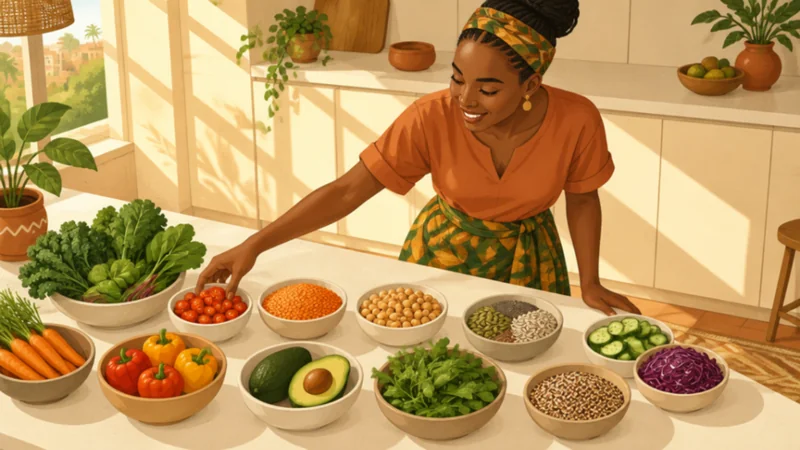
A well-planned vegan diet can meet most nutritional needs, but a small number of nutrients are consistently difficult to obtain in adequate amounts from plant foods alone. This guide explains which nutrients Kenyan vegans most commonly miss, where to find them in food, and when a supplement makes sense.
Why a vegan supplement guide matters in 2025
Veganism in Kenya has grown steadily, driven by health, ethical, environmental and religious motivations. Local food traditions already lean heavily on plant foods — kienyeji vegetables, legumes, sorghum, millet, arrowroot, groundnuts, sim-sim and a wide range of tropical fruits. This is a strong foundation.
However, plant-only diets are lower in certain micronutrients that are concentrated in animal foods. International nutrition bodies — including the British Dietetic Association and the Academy of Nutrition and Dietetics — confirm that a carefully planned vegan diet is suitable at all life stages, but they consistently flag a short list of nutrients that usually require attention.
This guide walks through those nutrients one by one, with Kenya-relevant food sources and practical supplement advice.
The nutrients vegans most often need to supplement
| Nutrient | Why it's tricky on a vegan diet | Best food sources in Kenya | Supplement form |
|---|---|---|---|
| Vitamin B12 | Found almost exclusively in animal foods | Fortified plant milks, nutritional yeast (limited availability) | Methylcobalamin or cyanocobalamin, daily or weekly |
| Iron | Non-haem iron is less well absorbed | Ndengu, beans, dark leafy greens (sukuma, terere), millet | Often unnecessary if diet is varied; pair with vitamin C |
| Vitamin D | Limited sun exposure in urban offices; few food sources | Sunlight, fortified plant milks | D3 (cholecalciferol) from lichen for vegans |
| Omega-3 (EPA/DHA) | ALA from flax is poorly converted | Flaxseed, chia seeds, groundnuts, soybeans | Algae-based DHA + EPA |
| Iodine | Depends on whether salt is iodised | Iodised salt, seaweed (rare in Kenya) | Potassium iodide, small dose |
| Calcium | Oxalates in some greens reduce absorption | Sukuma wiki (lower oxalate), sesame (sim-sim), beans, fortified plant milks | Calcium citrate, if dietary intake is low |
| Zinc | Phytates in whole grains reduce absorption | Beans, lentils, whole grains, pumpkin seeds | Often not needed; soak and sprout legumes to improve uptake |
| Protein quality | Need to combine sources across the day | Beans + maize, groundnuts + millet, soybean products | Not usually required if calories are sufficient |
Vitamin B12 — the one supplement every vegan should take
Vitamin B12 is not produced by plants. Fortified foods contain variable amounts, and Kenyan supermarkets do not consistently stock reliable fortified options. Long-term deficiency causes fatigue, nerve damage and anaemia — sometimes irreversibly.
Recommended approach:
- Take a daily B12 tablet (25–100 µg cyanocobalamin) or a weekly higher dose (1000 µg)
- Sublingual tablets (dissolved under the tongue) are absorbed reliably
- If you have been vegan for more than 2–3 years without supplementing, request a serum B12 test from your doctor before starting high-dose supplementation
Iron — get it from food first, supplement only if tested low
Many Kenyan vegan staples — ndengu, beans, kunde, dark leafy vegetables, millet — are rich in iron. Absorption is improved by pairing with vitamin C (a squeeze of lemon, tomatoes, or citrus) and reduced by tea or coffee with meals.
Iron supplements should not be taken routinely without a test, because excess iron causes oxidative stress. If you experience persistent fatigue, breathlessness on minor exertion or brittle nails, ask your clinician for a ferritin test first.
Vitamin D — sunlight is the primary source
Office workers in Nairobi, Mombasa and other urban centres often spend working hours indoors. Twenty minutes of midday sun on the forearms and face, several times a week, maintains vitamin D for most lighter-skinned people; darker-skinned individuals typically need longer exposure.
If sun exposure is limited, a vegan-friendly D3 supplement (sourced from lichen rather than lanolin) is appropriate. Dose range commonly used in studies: 1000–2000 IU (25–50 µg) daily for adults.
Omega-3 — algae oil is the direct route
Flaxseed and chia provide ALA, which the body converts to EPA and DHA at low rates (typically under 10%). For long-term cardiovascular and brain health, an algae-derived DHA + EPA capsule is the most direct plant-based source. Cod liver oil is not vegan; fish oil is also unsuitable.
Iodine — one detail that is easy to miss
Kenya has historically had iodine deficiency at public health scale, and iodisation of household salt has been the main intervention. If you use plain sea salt or rock salt, or eat very little bread (which is sometimes made with iodised salt), consider an iodine supplement or switch back to iodised salt.
Protein — combinations matter more than supplements
Kenyan plant foods provide excellent protein if combined across the day:
- Githeri (maize + beans)
- Groundnut stew with sorghum or millet ugali
- Soy flour added to porridge or chapatti dough
- Bean-based stews with rice
Aim for roughly 1.0–1.2 g of protein per kilogram of body weight daily if you exercise regularly; most Kenyan vegan diets reach this without protein powders.
What about greens-based wellness products?
Green supplements — wheatgrass, chlorophyll, green tea extracts — are popular in the Kenyan wellness market and are vegan by default. They are not substitutes for the nutrients above, but they provide concentrated phytonutrients, chlorophyll and antioxidants that may support general wellbeing.
Relevant Dynapharm products often used alongside a vegan lifestyle:
- Instant Wheatgrass — convenient daily greens source, mixable in water or juice
- Liquid Chlorophyll — liquid greens, often used as a daily tonic
- Green Tea Capsules — green tea extract in capsule form for those who don't drink several cups daily
These fit naturally into a vegan routine because they are plant-derived and contain no animal ingredients.
A practical daily vegan supplement routine
For most healthy adults eating a varied Kenyan vegan diet:
- Morning: Vitamin B12 + vitamin D3 (with a meal containing some fat for absorption)
- With lunch: Algae omega-3 capsule
- Any time: Iodised salt in cooking, or a small iodine tablet if you don't use iodised salt
- Daily greens: One serving of wheatgrass or chlorophyll in water
- Weekly check: A varied plate of beans/lentils + whole grains + vegetables + nuts + fruit across the week
Special situations
- Pregnancy and breastfeeding: B12, D, iron and iodine become critical. Work with a clinician on dosing.
- Children and teenagers: B12 and D are priorities. Vegan children grow normally when well-planned, but supplements matter more than in adults.
- Athletes: Protein intake and iron status warrant closer monitoring.
- Long-term vegans without prior supplementation: A one-off blood test covering B12, ferritin, vitamin D and thyroid function is a sensible baseline.
When to see a clinician
See a doctor or clinical nutritionist if you experience:
- Persistent fatigue, pins-and-needles or memory changes (possible B12 issue)
- Hair shedding beyond normal levels (check ferritin, zinc, thyroid)
- Slow wound healing or frequent infections (possible zinc, D or protein issue)
- Unexplained thyroid symptoms — iodine deficiency can mimic hypothyroidism
Quick checklist for Kenyan vegans
- ☐ Take B12 daily or weekly — non-negotiable
- ☐ Get midday sun when possible; consider D3 in low-sun periods
- ☐ Use iodised salt
- ☐ Pair iron-rich foods with vitamin C
- ☐ Include algae DHA + EPA or eat ground flax/chia regularly
- ☐ Eat a varied plate across the week: legumes, whole grains, greens, nuts, fruit
- ☐ Get a baseline blood test if you've been vegan several years without supplementing
Found this helpful? Share it or order on WhatsApp:
