
Nutraceutical vs Pharmaceutical: What Is the Difference?
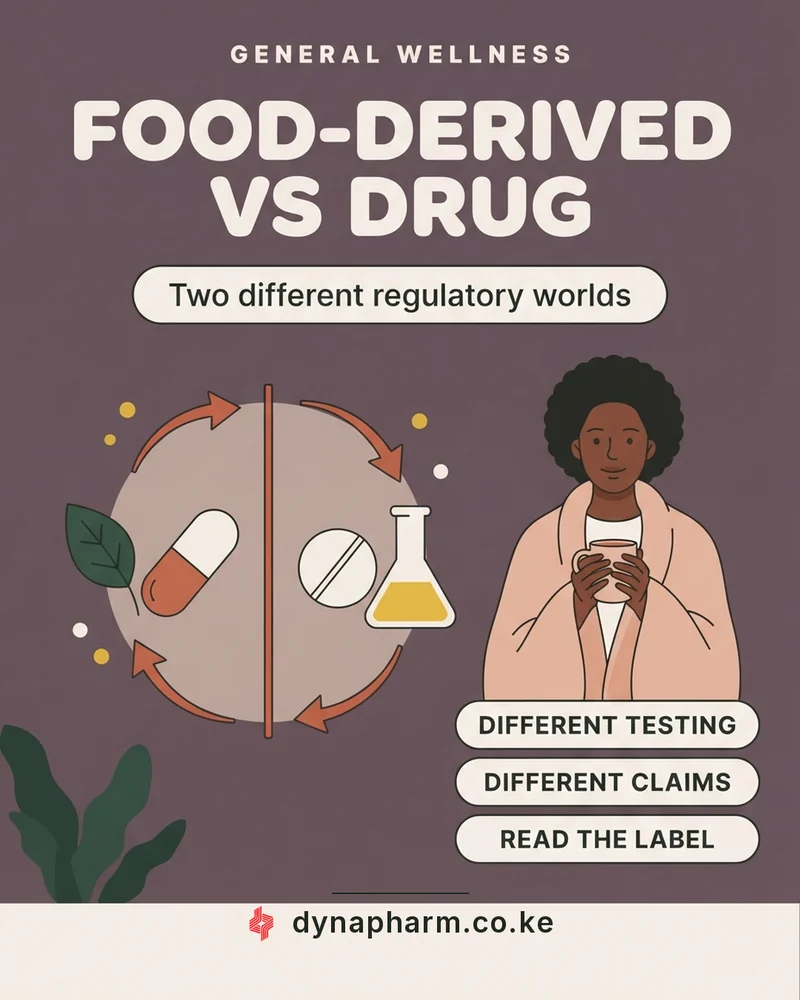
Both can affect the body, but they are not held to the same standard. The word 'nutraceutical' describes a product category, not a proven level of benefit.
Difference between nutraceutical and pharmaceutical
Evidence snapshot
A pharmaceutical is a medicine approved to diagnose, treat or prevent a specific disease after controlled trials and regulatory review.
Nutraceuticals include supplements, fortified foods and functional foods. In many countries they are regulated as food or dietary supplements, not as medicines.
A supplement can contain a compound with real biological activity without being proven to treat a disease in humans.
What to do with this
Check the label for the exact ingredient and dose, look for third-party testing where available, and tell your clinician about supplements you take, especially before surgery.
For the specific question "difference between nutraceutical and pharmaceutical", that means wellness products are sold on possibilities, but a biological mechanism in a test tube is not a health outcome in a person. Ask what was measured, in whom, for how long and with which product before acting on a claim.
Write down the reason you started a product and what would count as a useful change. If nothing measurable changes after a fair trial, there is little reason to keep paying for it.
Questions people ask
Can a nutraceutical replace my medicine?
No. Do not stop prescribed treatment because a supplement sounds natural.
Are supplements tested?
Rules vary. In many markets they are not tested for efficacy before sale the way medicines are.
A common follow-up
Are supplements tested? Rules vary. In many markets they are not tested for efficacy before sale the way medicines are. That context matters when you see broad claims about difference between nutraceutical and pharmaceutical.
The short answer
Check the label for the exact ingredient and dose, look for third-party testing where available, and tell your clinician about supplements you take, especially before surgery. Nothing here replaces medical care, and persistent symptoms deserve a proper assessment rather than another product.
Sources
Found this helpful? Share it or order on WhatsApp: